
The Story of the Vine
A Sensory Wine Experience
A bespoke sensory journey designed around Spier's Creative Block wine range, where storytelling, sound, scent, texture and taste transformed a traditional wine tasting into an immersive experience that guests didn't simply remember—they felt.
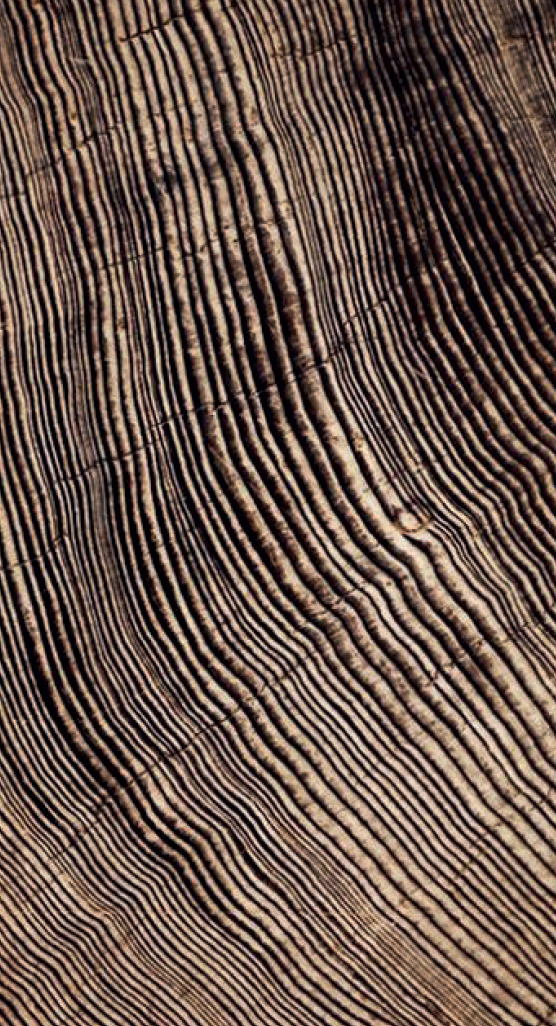
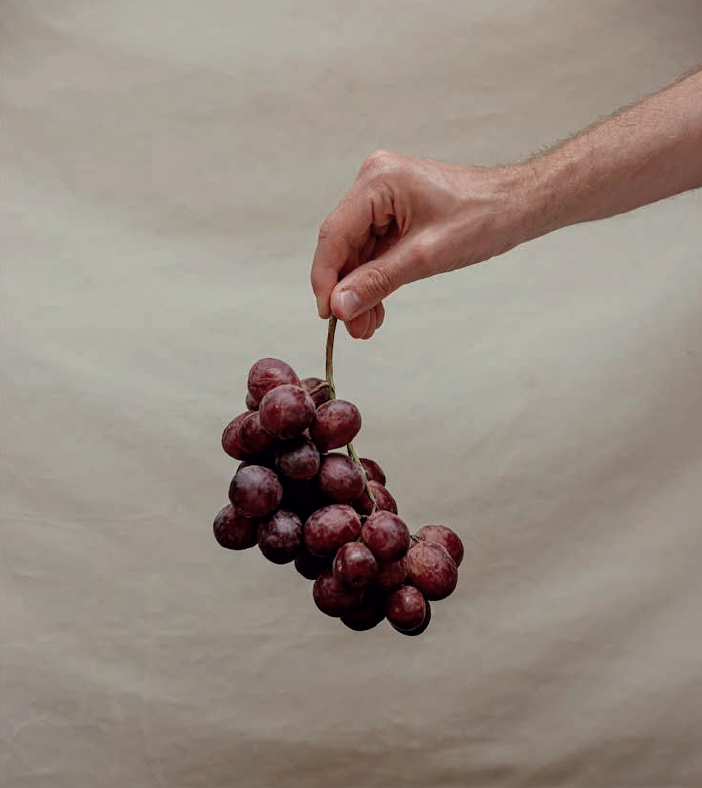
Every bottle of wine has a story.
I wanted people to experience it before they ever took their first sip.
The Sensble Approach
The brief was to design a sensory experience around Spier's Creative Block wine range. Rather than creating another wine tasting, I wanted to tell the story of the vine—not through information, but through immersion.
I believe that when we engage more than one sense at a time, we don't simply create an experience—we create memories.
I wanted guests to experience the journey of the wine—from the soil where it begins, through growth, harvest and maturation, to the final moment where every season, every decision and every sensory layer becomes poetry in a glass.
The experience unfolded as a series of carefully curated chapters, each one awakening a different sense while revealing another part of the vine's story.
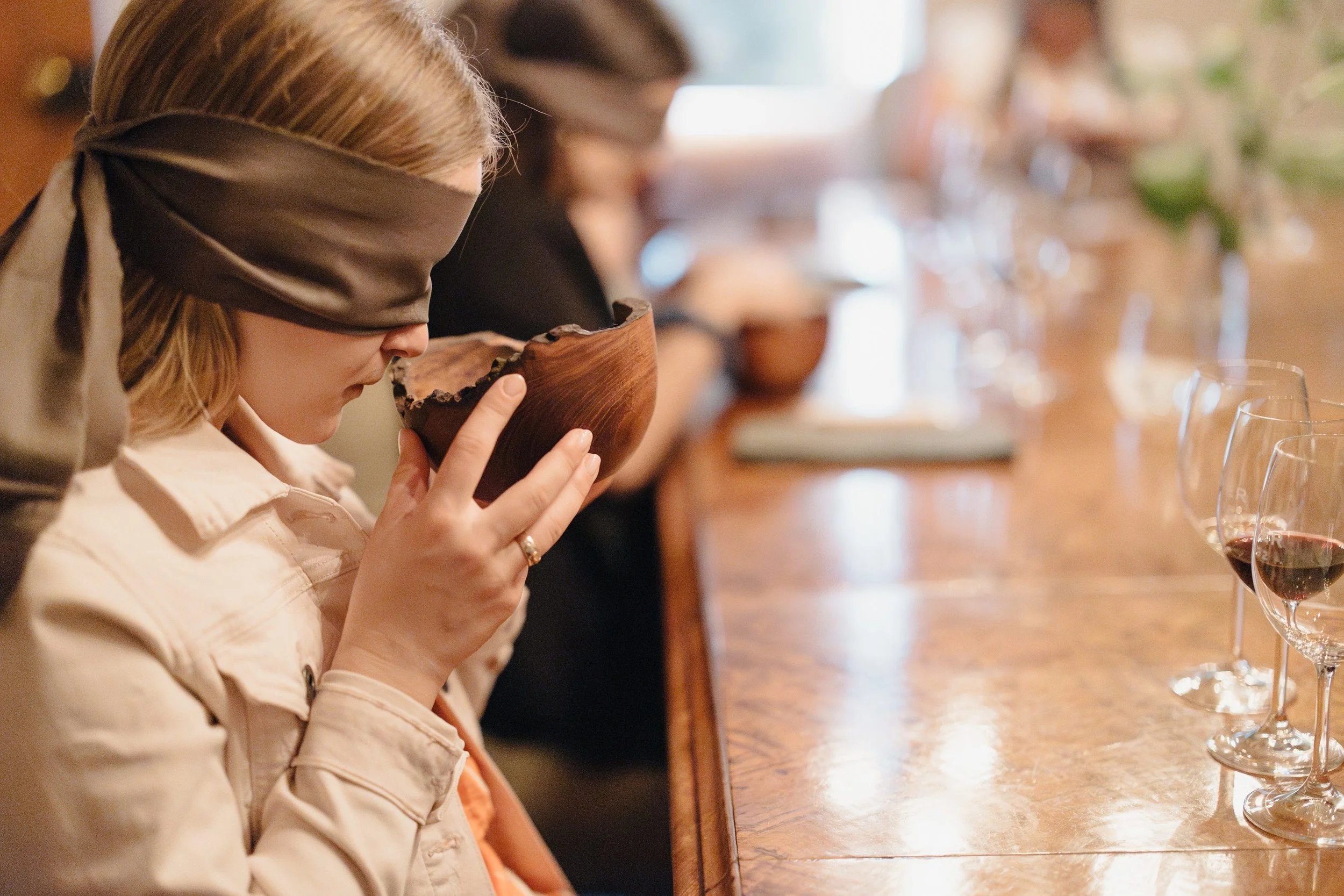
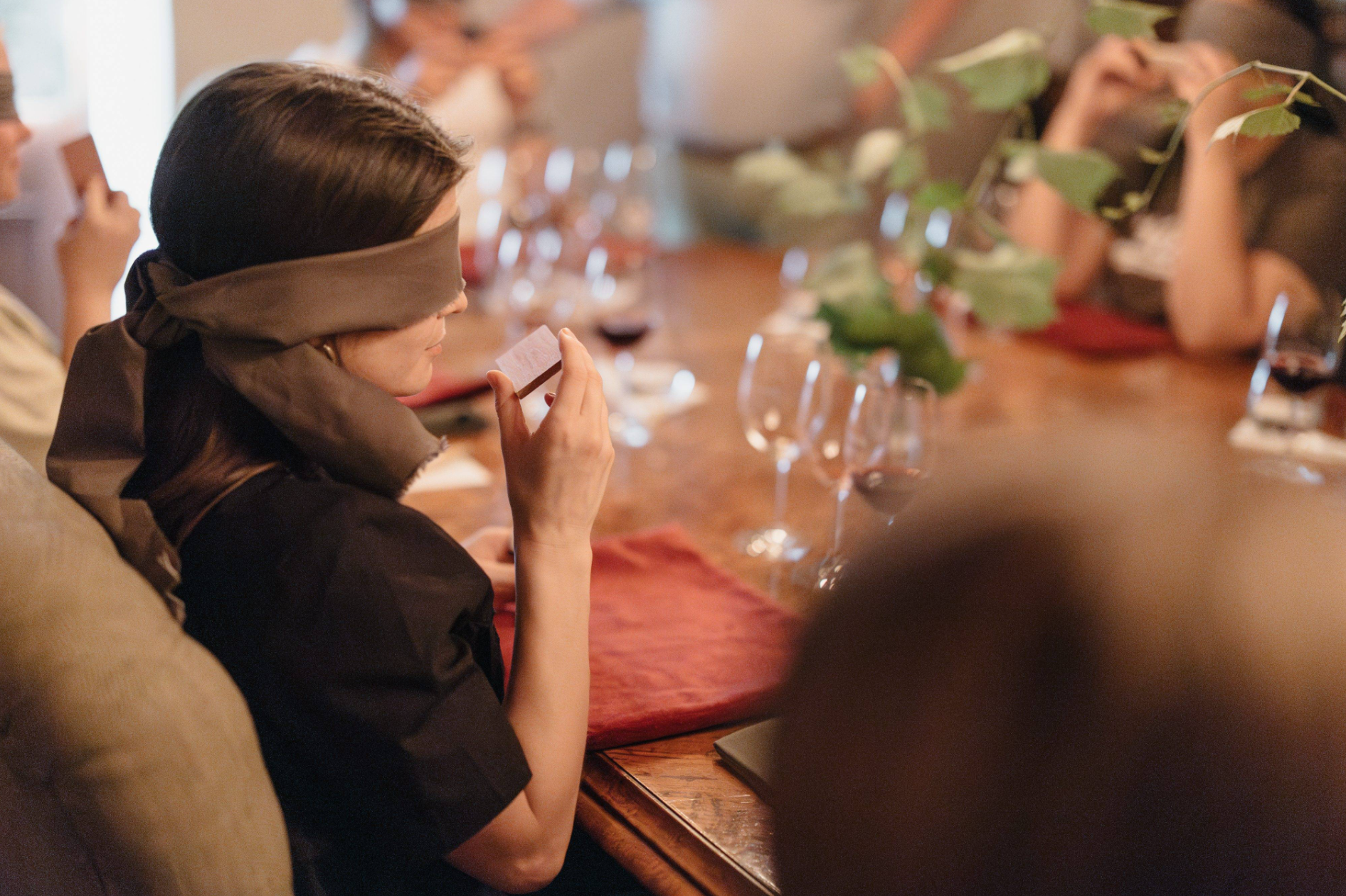
Blindfolds became an important part of the journey. By removing sight, guests naturally became more aware of texture, sound, scent and taste. It invited curiosity, playfulness and presence, encouraging them to experience the wine in a completely different way.
Each chapter had its own carefully composed soundscape. The journey began with deep, earthy tones that echoed beneath the ground, creating the feeling of being amongst the roots of the vine. As the story moved into harvest, the sound shifted to birdsong, gentle movement and the rhythm of nature. Each wine was then accompanied by its own unique musical landscape, allowing sound to become another layer of the tasting experience.
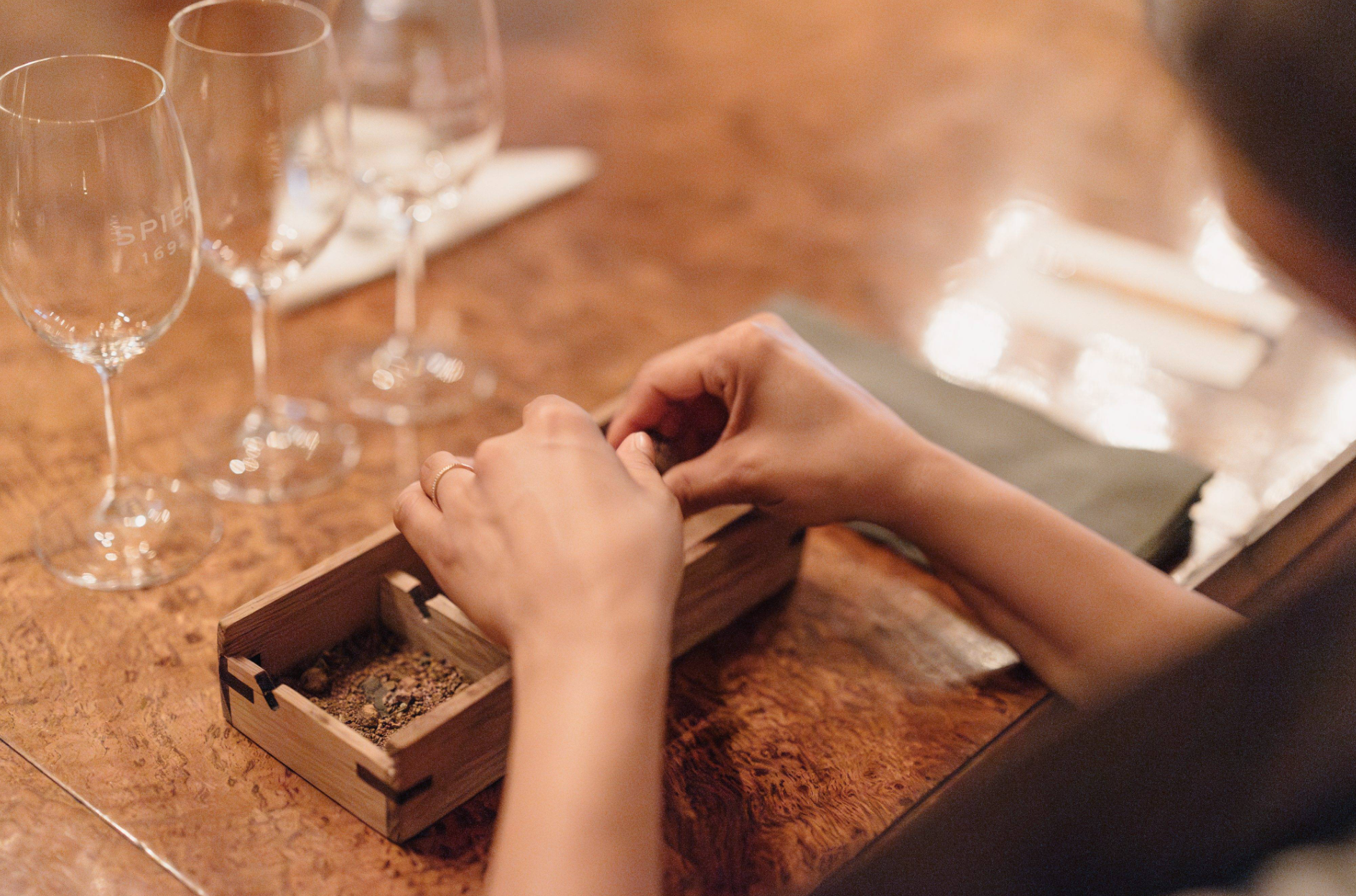
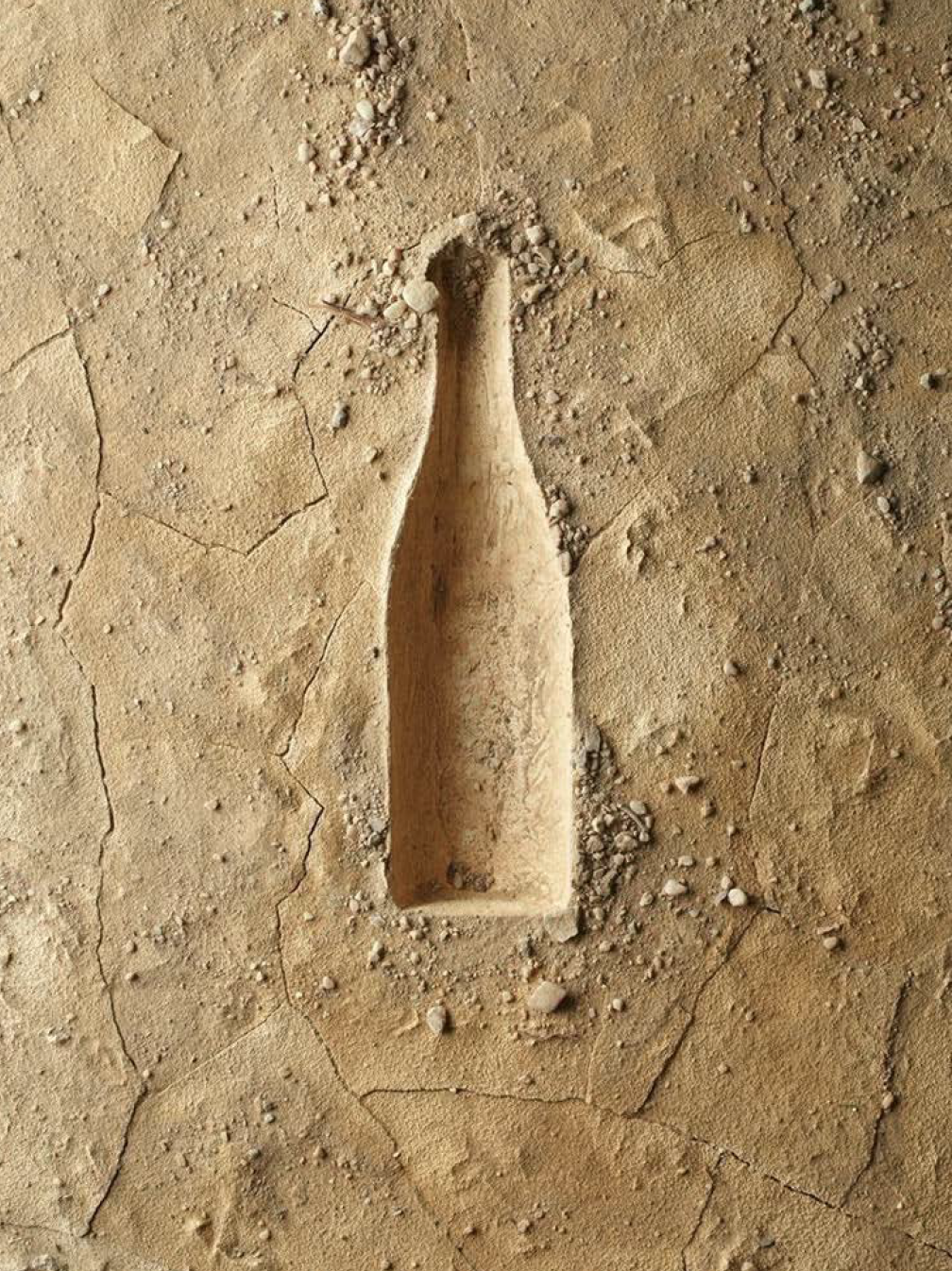
The tactile journey began in the soil itself. With sight removed, the rough texture of vine bark became more noticeable beneath guests' fingertips. The coolness of the earth lingered in their hands, while tasting edible clay became an unexpected invitation to experience the vineyard itself—a playful moment that connected the story of the soil directly to the palate.
As the vine grew, so too did the sensory journey. Each chapter introduced new materials, textures and aromas that reflected the changing stages of the vine's life.
As the journey progressed into harvest and maturation, contrast became the storyteller. Cool stainless steel sat alongside warm oak, reflecting the materials that shape the winemaking process. Guests experienced the transformation not only through storytelling, but through touch, temperature, scent and sound.
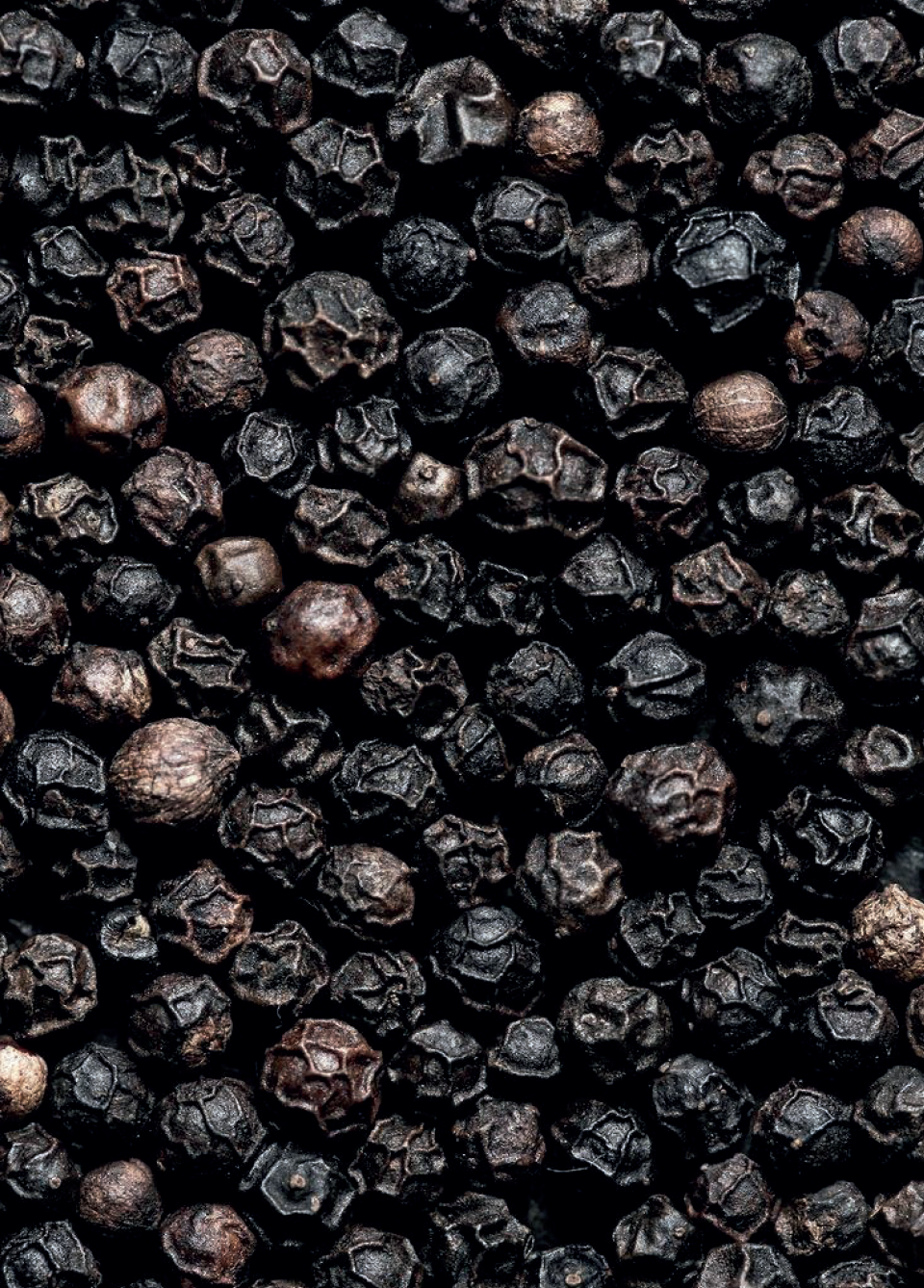
Each wine introduced its own sensory world. Velvet scrolls concealed cedarwood blocks, aromatic aniseed sachets and carefully selected tactile elements that reflected the character of the wine. Guests explored contrasting textures and lingering aromas—the cool, weathered shell of an oyster evoking the freshness of the coastline, fragrant black peppercorns releasing their warm spice as they rolled between fingertips, delicate violet flowers adding soft floral notes, and natural materials that encouraged curiosity through touch as much as scent. Every element was chosen with intention, inviting guests to discover rather than simply observe.
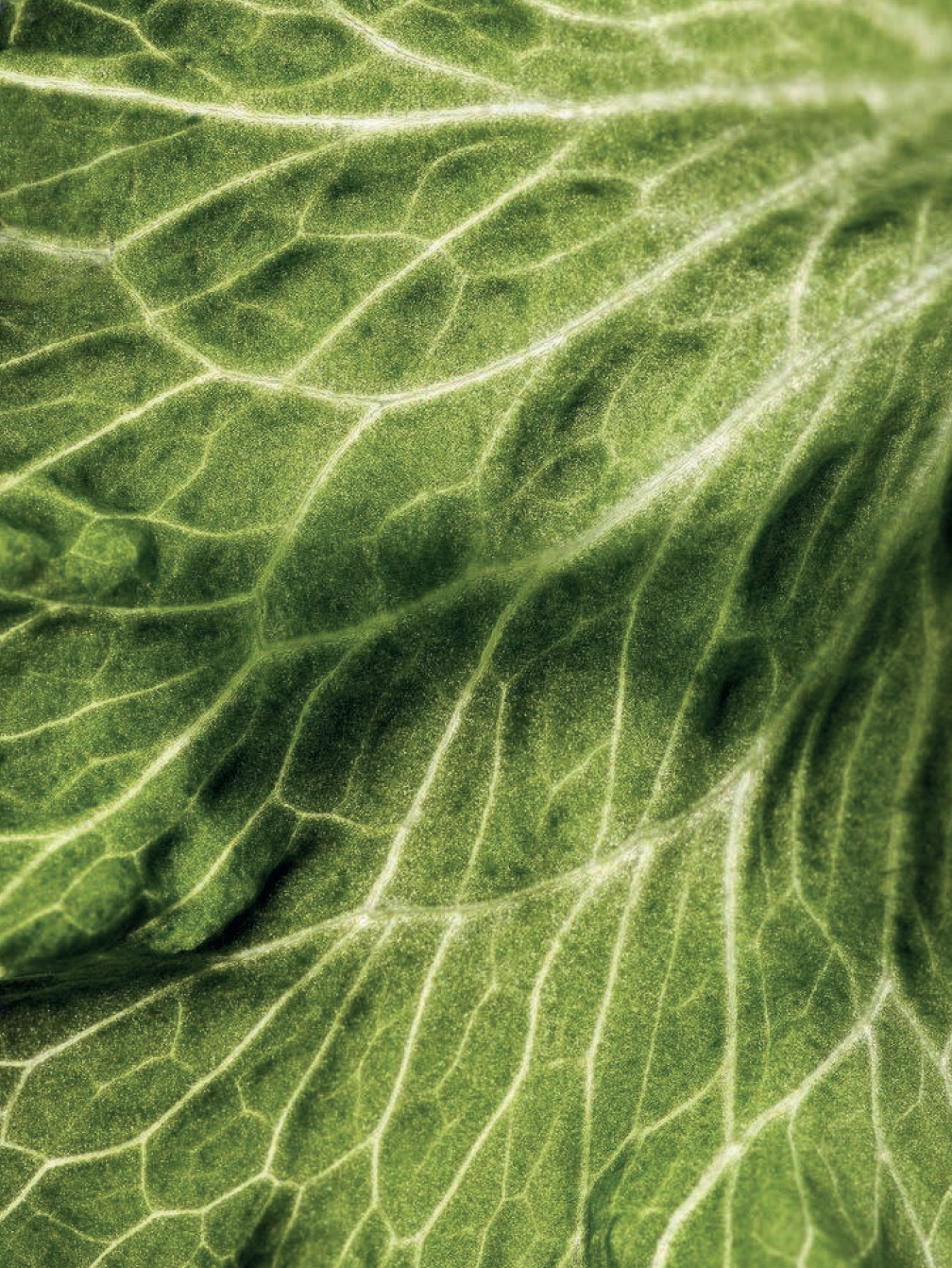
Alongside each wine, a small amuse-bouche became another layer of the story. Rather than simply pairing food with wine, each element was thoughtfully created to draw out the wine's character in unexpected ways. Rich dark chocolate echoed moments of depth and complexity, while crisp lavash and fresh seasonal components introduced contrast, brightness and balance. Every bite invited guests to return to the wine with a renewed palate, discovering new layers and nuances with every sip.
What fascinated me most was not what guests tasted, but what they remembered.
The sensory experience unlocked memories that had quietly been waiting beneath the surface. Conversations drifted towards childhood seaside holidays, afternoons spent with grandparents in the kitchen and moments spent in nature. The wine became a catalyst for memory, proving that our senses often remember long before our minds do.
As the journey unfolded, something remarkable happened. The pace of the room softened. Guests became more present, more curious and more immersed in the story. By the end, there was a noticeable stillness. Conversations were slower and more thoughtful, and many described feeling deeply rested—as though they had stepped outside the pace of everyday life and into a space where memory, emotion and the senses could gently reconnect.
Let’s create experiences people don’t just see or hear, but feel.
The experience concluded with a guided breathing ritual, allowing guests to settle their senses and regulate their nervous systems before returning to the world outside. It created a quiet moment of reflection and a fitting end to a journey that had asked them not simply to taste, but to feel.
This experience was about telling the story of the vine through every sense.
It was about slowing people down long enough to notice.
To become present.
To remember.
And to discover that the most memorable experiences aren't simply seen or tasted.
They are deeply felt.